

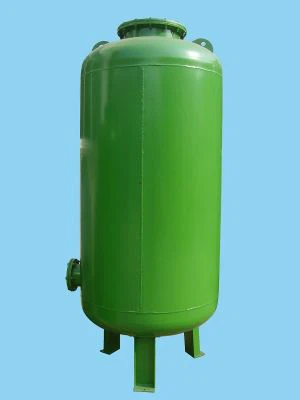
A mechanical filter housing is a device used to filter solid particles from fluids, such as oil, water, or air. It consists of a housing that contains a filter element (a porous medium that traps the particles), and a filter housing that provides a housing for the filter element. The filter housing may include various features to facilitate the cleaning or replacement of the filter element. The mechanical filter housing is typically used in industrial applications, where fluids are subjected to high-pressure or high-temperature conditions, and where the removal of solid particles is important to maintain the integrity of the fluid and prevent damage to the machinery or equipment. The mechanical filter housing may be designed to accommodate a wide range of flow rates and pressure conditions, and may include features such as bypass valves, pressure relief valves, and drain valves to facilitate the maintenance and cleaning of the filter element. The choice of a mechanical filter housing depends on the specific application, including the type of fluid being filtered, the flow rate and pressure conditions, and the desired performance and reliability.
Mechanical filter housings are designed to remove contaminants effectively from fluids, such as water, oil, and air. The use of a high-efficiency filter media, combined with a precise filter element geometry, ensures that contaminants are effectively removed from the fluid.
Mechanical filter housings are typically made of a durable material, such as stainless steel or polypropylene, that can withstand the harsh conditions of industrial and commercial applications. This ensures that the filter housing can provide long-term performance and reliability.
-
![נעל מהירה פתיחת רב לחץ מדיה מסנן דיור פחמן פלדה]() נעל מהירה פתיחת רב לחץ מדיה מסנן דיור פחמן פלדהDiscription Mulit מסנן מדיה דיור-פחמן פלדה 1. חומר: SUS304 / SUS316L / Q235 / A3. 2. לחץ העיצוב: 0.75Mpa. 3. סיום: בטנה / אפוקסי / מלוטש או sandblast חיצוני משטח. 4. מים סוג ההפצה: קסדה צלילה /
-
![יעילות גבוהה להסרת קשיות תעשייתי מרכך מים ציוד סודיום נירוסטה פחמן פלדה יון מחליף]() יעילות גבוהה להסרת קשיות תעשייתי מרכך מים ציוד סודיום ניר...Discription Ion מחליף 1. חומר: SUS304 / SUS316L / Q235 / A3 ;; 2. לחץ העיצוב: 0.75Mpa; 3. סיום: בטנה / אפוקסי / מלוטש / sandblast / ציור משטח חיצוני 4. מים סוג ההפצה: קסדה צלילה / מרכז נירוסטה הפצה
-
![בית שלם מערכת מסנן מים]() בית שלם מערכת מסנן מיםברז מים מסנן הדיור הוא חובה בכל הבתים והחברות. מסנני מים ביתיים הם שיטה טובה להבטיח כי כל המים המשמשים בבית שלך הוא בטוח, טהור, ובריא. אם אתה שוקל מסנן מים בית שלם, חשוב להתייעץ עם מומחה מומחה מים.
-
![פלדת אל-חלד/פחמן פלדה פעיל פחמן בינוני מסנן דיור שונים סוגים גודל ניתן להתאמה אישית]() פלדת אל-חלד/פחמן פלדה פעיל פחמן בינוני מסנן דיור שונים סו...הודפס ספקטראליים המדיה מסנן הדיור-פחמן פלדה 1. חומר: SUS304/SUS316L/Q235/A3. 2. עיצוב לחץ: 0.75Mpa. 3. סיום: רירית/אפוקסי/מלוטש או בחול או בגרגרי המשטח החיצוני. 4. מים סוג הפצה: צלילה קסדה/פלדת
-
![נירוסטה יון שערי ריכוך כלי עבור שרף מים מרכך ציוד]() נירוסטה יון שערי ריכוך כלי עבור שרף מים מרכך ציודDiscription Ion מחליף 1. חומר: SUS304 / SUS316L / Q235 / A3 ;; 2. לחץ העיצוב: 0.75Mpa; 3. סיום: בטנה / אפוקסי / מלוטש / sandblast / ציור משטח חיצוני 4. מים סוג ההפצה: קסדה צלילה / נירוסטה מרכז הפצה
-
![פלדת אל-חלד/פחמן פלדה מכני מסנן התקן קוורץ חול אחרים כפול מקורבות מולטי מדיה מסנן קיבול עבור מים פלו ציוד]() פלדת אל-חלד/פחמן פלדה מכני מסנן התקן קוורץ חול אחרים כפול...הודפס מולטי מדיה לסנן flanges דיור-כפול 1. חומר: SS304/SS316L/Q235/A3. 2. עיצוב לחץ: 0.75Mpa. 3. סיום: רירית/אפוקסי/מלוטש / לרסק/ציור המשטח החיצוני. 4. מים סוג הפצה: צלילה קסדה/פלדת אל-חלד פלדה מרכז
-
![נירוסטה / פחמן פלדה בטנה גומי מים מסנן Multi Media טנק עם חול התקשורת או Ative פחמן]() נירוסטה / פחמן פלדה בטנה גומי מים מסנן Multi Media טנק עם...Discription Mulit מדיה מסנן דיור נירוסטה 1. חומר: SUS304 / SUS316L / Q235 / A3. 2. לחץ העיצוב: 0.75Mpa. 3. סיום: בטנה / אפוקסי / מלוטש או sandblast חיצוני משטח. 4. מים סוג ההפצה: קסדה צלילה /
-
![פחמן פלדה / ss 304/316 Multi Media מסנן מכני דיור דיור כפול אוגן]() פחמן פלדה / ss 304/316 Multi Media מסנן מכני דיור דיור כפ...תיאור רב מסנן מדיה דיור - כפול אוגנים 1. חומר: SS304 / SS316L / Q235 / A3. 2. לחץ העיצוב: 0.75Mpa. 3. סיום: בטנה / אפוקסי / מלוטש / sandblast / ציור משטח חיצוני. 4. מים סוג ההפצה: קסדה צלילה /
-
![נירוסטה מכני מסנן מדיה דיור לטיפול במים סינון נוזל מכני]() נירוסטה מכני מסנן מדיה דיור לטיפול במים סינון נוזל מכניDiscription Mulit מדיה מסנן דיור נירוסטה 1. חומר: SUS304 / SUS316L / Q235 / A3. 2. לחץ העיצוב: 0.75Mpa. 3. סיום: בטנה / אפוקסי / מלוטש או sandblast חיצוני משטח. 4. מים סוג ההפצה: קסדה צלילה /


State-of-the-art Technology
We use the latest technology and tools to deliver high quality services. Our team is well-versed in the latest trends and advancements in technology and uses them to provide the best results.
The maximum operating pressure for a mechanical filter housing can vary depending on the specific model and manufacturer. Generally, mechanical filter housings are designed to withstand pressures ranging from 10 to 100 psi (689 to 7,469 kPa), but some high-pressure models may be able to withstand up to 200 psi (14,703 kPa).
The flow rate capacity of a mechanical filter housing can vary depending on the specific model and manufacturer. Generally, mechanical filter housings are designed to handle flow rates ranging from 1 to 10 gpm (4.5 to 38.4 LPM), but some high-flow models may be able to handle up to 20 gpm (83.6 LPM).
Most mechanical filter housings are designed to handle a range of micron ratings, from 2 to 60 microns. However, some high-performance housings may be designed to handle up to 100 microns.

Canister filter housings are typically used for point-of-use filtration applications, where a compact and space-saving filter housing is required. They are commonly used in residential and light commercial applications.
Cylinder filter housings are designed for high-flow applications and are commonly used in industrial and commercial settings. They are characterized by their high-flow capacity and are often used in applications that require a high degree of filtration efficiency.
Pressure filter housings are designed to handle high-pressure fluids and are commonly used in industrial and commercial settings. They are characterized by their high-pressure rating and are often used in applications where the fluid being filtered can generate high-pressure drops.
Sump filter housings are designed to collect and store contaminants that pass through the filter element. They are commonly used in high-volume filtration applications, such as in cooling systems and hydraulic systems.
Stainless steel is a corrosion-resistant material that is commonly used for mechanical filter housings. It is resistant to oxidation and corrosion, making it suitable for use in applications where corrosion resistance is critical, such as in food and beverage processing and pharmaceutical manufacturing.
Other plastic materials, such as polyvinyl chloride (PVC) and high-density polyethylene (HDPE), are also commonly used for mechanical filter housings. These materials are often used in applications where cost effectiveness and ease of manufacturing are important considerations.
Consider the cost of the mechanical filter housing and ensure that it fits within your budget. Consult with a filtration expert or the manufacturer of the specific housing to determine the pricing and cost-effectiveness of the housing for your specific application.
The seals of the filter housing are critical to prevent leaks and ensure that the filter element and housing are properly sealed. The seals are typically made of a high-quality elastomer material that can withstand the harsh conditions of industrial and commercial applications.
The gasket is a ring-shaped component that is used to seal the flanges of the filter housing. It is typically made of a high-quality elastomer material that can withstand the harsh conditions of industrial and commercial applications.


